
Discover the best things to do in Durres with our firsthand guide to beaches, amphitheaters, and activities.
Durres gets a mixed reputation among travelers, but it’s one of those places where knowing what to expect makes all the difference! Located just 40 minutes from Tirana, this coastal city blends ancient history with beach culture in a way that’s totally Albanian. We recommend adding Durres to your itinerary, whether you’re looking for a quick day trip from the capital or planning a more extended beach stay.
The city offers an impressive collection of Roman ruins, miles of sandy beaches along the Adriatic coast, and some seriously good seafood restaurants. Plus, everything here is remarkably budget-friendly compared to other European beach destinations.

chapters:
When to Visit Durres for the Best Experience

Timing your visit to Durres can significantly impact your experience. The peak summer season runs from June through August, with July and August seeing the highest temperatures (30-35°C / 85-95°F) and the biggest crowds as both Albanian and Italian tourists flock to the coast. We suggest visiting during the shoulder seasons for the best balance of weather and crowds.
Here’s our breakdown of the best times to visit Durres:
- Early September (Our Top Pick!): The weather stays warm, the sea temperature is perfect from the summer heat, but the crowds have cleared out. You get the best of both worlds!
- June-August (Peak Beach Season): Expect hot weather with 29-32°C (84-90°F) temperatures, minimal rainfall, and up to 11 hours of sunshine daily. The beaches are buzzing, but you’ll pay premium prices for accommodation.
- April-May (Budget Travelers’ Sweet Spot): Mild temperatures make sightseeing comfortable without the summer heat. Prices drop significantly, and you can explore historical sites at your own pace.
- October (Shoulder Season Gem): Still warm enough for beach days, fall colors appear in the surrounding hills, and tourist numbers decrease dramatically.
- November-March (Skip It): Heavy rainfall, coldest temperatures, and most attractions feel pretty dead during these months.
For sightseeing without the beach scene, spring works beautifully. The temperatures are mild, prices drop, and you can explore the historical sites without battling heat or crowds.
How Long Should You Stay in Durres?
For a quick taste of what Durres offers, one full day works well, especially if you’re based in Tirana and just want to see the amphitheater and grab lunch by the beach. However, we recommend spending 2-3 days here if you want to properly relax on the beaches, explore the historical sites without rushing, and sample the restaurant scene. This gives you time to venture to the quieter beaches south of the city center and maybe even take a day trip to nearby attractions like Kruja.
Albania’s beauty will surprise you, here are the best places to see it all!
Can't read now?
Save this on Pinterest for later!
Must-See Historical Attractions in Durres
Durres has been continuously inhabited for about 3,000 years, and the layers of history here are genuinely impressive. The best part? Most of the historical sites in the city are completely free to explore.

Durres Amphitheatre
The Durres Amphitheatre, built in the 2nd century AD during Emperor Trajan’s reign, stands as the largest Roman amphitheater in the Balkans, with a capacity of 15,000-20,000 spectators. What makes this site particularly fascinating is how it was lost for centuries and only rediscovered in 1966 when an archaeologist noticed a fig tree sinking into the ground during excavation work!
The amphitheater is open every day from 9:00 AM – 8:00 PM during the summer months (April to October) and from 9:00 AM – 4:00 PM during the winter months (November to March), with an entrance fee of approximately 300-400 lek (€3-4 / $3.20-4.30). We think this is one of the best value historical attractions in Albania.
Inside the structure, you can explore the underground tunnels where gladiators once entered the arena, and there’s a rare 5th-century Christian chapel built into the amphitheater featuring preserved mosaics of St. Stephen and other saints. Unlike the heavily restricted Colosseum in Rome, you’re free to explore much of the Durres amphitheater on your own, which makes for a more intimate experience with history.
The amphitheater sits right in the city center, surrounded by modern buildings. It’s a slightly surreal sight that shows how urban development has literally grown around and over this ancient structure. Parts of it remain unexcavated because residential buildings stand above them, adding an element of mystery about what else might be hidden beneath the city.

Byzantine Forum and Venetian Tower
The Byzantine Forum (Macellum) is a free-to-visit archaeological site that provides insight into the city’s Byzantine era. It’s smaller and less dramatic than the amphitheater, but worth a quick stop if you’re walking through the old town area.
The Venetian Tower of Durrës, another free attraction, is a medieval coastal fortress that represents the city’s later history under Venetian rule. These sites are within easy walking distance and showcase Durres’ transformation across various empires and historical eras.
Archaeological Museum Status Update
We need to be upfront about this: the Durres Archaeological Museum has been temporarily closed for restoration, with no confirmed reopening date as of 2025. This is disappointing since it was Albania’s largest archaeological museum, but the amphitheater and other sites more than make up for it. Check locally for any updates on reopening during your visit.
Curious if Tirana’s worth a visit? Here’s everything you need to know.
Beach Life in Durres

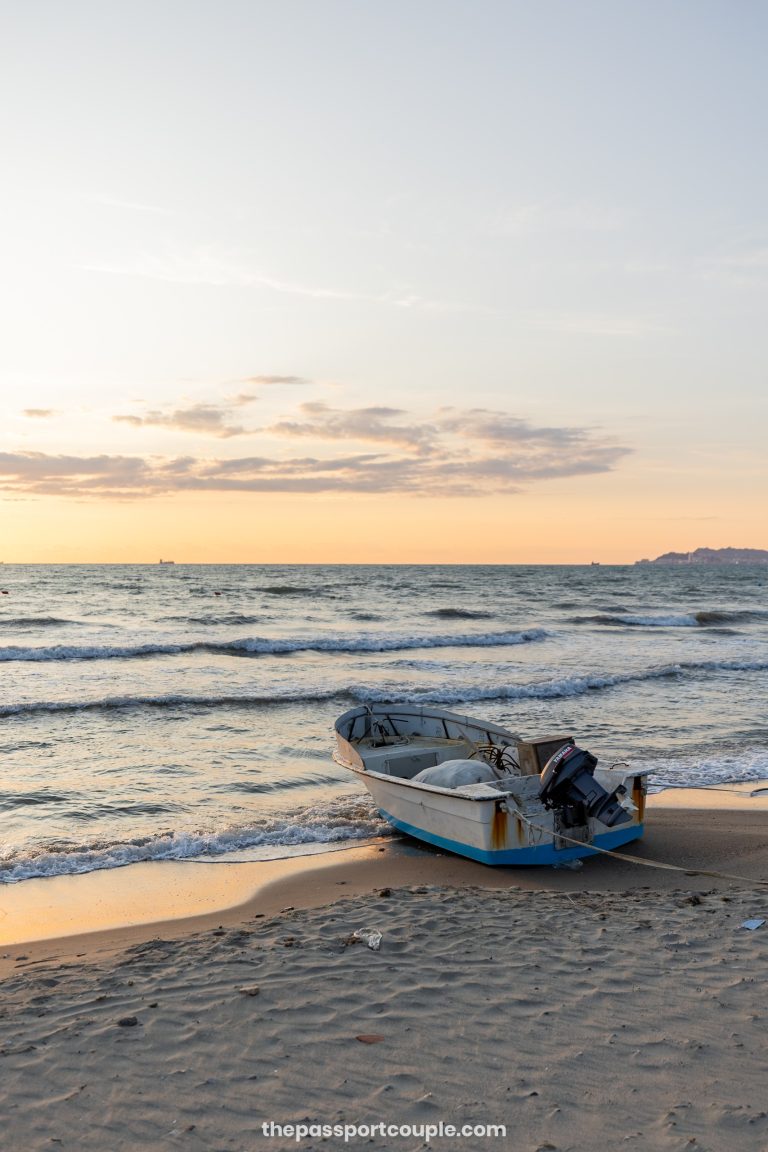
Let’s be real about the beaches in Durres. They’re not going to blow your mind if you’re coming from Greece or Croatia. But they’re accessible, sandy, and the water temperature is perfect in summer. The city’s beach culture is more about relaxation and socializing than Instagram-worthy pristine waters.
Quick Beach Comparison Guide:
- Durres Beach (City Center): Free access, most convenient, gets crowded, water quality varies. Best for people-watching and easy access from historical sites.
- Golem Beach (10km south): Cleaner water, more resort development, still accessible, great middle-ground option for most visitors.
- Qerret Beach (Further south): Local favorite, less developed, authentic vibe, fewer international tourists.
- Currila Beach (Near city): Picturesque setting, clear blue waters, fine sand, family-friendly with gentle slopes.
- Lalëzi Bay (45 min north): Clearest water, mix of luxury resorts and untouched coastline, worth the drive for serious beach time!

Durres Beach
Durres Beach is the most accessible option, located right along the city’s extensive waterfront promenade. It’s a 15-kilometer stretch of sandy beach that gets super busy during peak summer months. The beach is free to access, though many sections have beach clubs where you can rent sun loungers and umbrellas.
We recommend walking south along the beach away from the port area, where the water tends to be cleaner. The beach has a gentle slope into the water, making it particularly family-friendly. The promenade behind the beach comes alive in the evenings with the traditional Albanian xhiro (evening stroll), where locals gather to walk, socialize, and enjoy the sea air.

Golem Beach
About 10 kilometers south of Durres city center, Golem Beach offers a more relaxed vibe with slightly cleaner water. This area has seen significant development in recent years, with numerous hotels and beach resorts lining the coast. We suggest heading here if you want to escape the crowds of central Durres while still being close enough to visit the historical sites.

Qerret Beach
Qerret Beach sits further south and tends to attract more Albanian locals than international tourists. It’s less developed than Golem but offers a more authentic beach experience. The area has a few good seafood restaurants right on the sand.
Currila and Lalëzi Bay
For dramatically better beach quality, Lalëzi Bay is about 45 minutes north of Durres and features much clearer water, a mix of luxury resorts and untouched coastline, though it also gets very busy during peak season with Albanian tourists. If you have a rental car, this makes an excellent day trip for serious beach time.

Planning a trip to...
Dive into our destination guides, including itineraries and cost posts! Or look at individual cities to start planning your next adventure!
Where to Eat in Durres
Being a coastal city, Durres excels at seafood. The restaurant scene here blends Italian influences with traditional Albanian cooking, and prices remain incredibly reasonable compared to Western European beach destinations.


Top Restaurant Recommendations
Oyster Restaurant is known for its seafood excellence. Expect to pay around €47.75 ($51.30) for two people, which we think offers good value considering the quality of fresh fish and the beachfront location.
Ymer’s Grill (Plepa) represents the budget-friendly end of the spectrum at approximately €8.22 ($8.83) for two people. This spot is popular with locals for grilled meats and traditional Albanian dishes. We recommend trying their tavë kosi (baked lamb with yogurt) if available!
For a family meal, Bistro Mol offers comfortable indoor and outdoor seating at around €32.22 ($34.60) for four people. The menu includes both seafood and meat options with generous portions.
Epidamn Restaurant & Garden provides a more elevated dining experience at approximately €54.79 ($58.85) for four people. The restaurant, located within the historic Adriatik Hotel on the beachfront, features international, Italian, and Turkish dishes alongside fresh seafood, artisanal pasta, and authentic Albanian specialties.
Spaghetteria Luli is a small hole-in-the-wall pasta place that’s earned a strong reputation in the city, where the owner learned her trade during 15 years in Italy, offering daily specialty fresh pasta dishes at very reasonable prices. We suggest visiting for lunch and trying their truffle or mushroom ravioli!
For a refined dining experience with sweeping views, Rooftop XV, located on the 15th floor near the Venetian Tower, offers stunning sunset vistas of the city, harbor, and coastline, all at surprisingly affordable prices.

Beach Dining and Special Experiences
The Island Restaurant offers a unique floating dining experience with a €10 ($10.75) entry fee plus the cost of food and drinks. It’s a bit gimmicky, but fun for a special evening out.
Along the waterfront, you’ll find countless cafes and restaurants. We suggest doing what the locals do, take your time, order a coffee or beer, and watch the world go by. The Albanian approach to dining emphasizes leisure over rushing through meals.
Get cellular data before you even land in a new country. Check out our current eSIM deals, with exclusive discounts in dozens of destinations.
Unique Experiences

Shopping at Marigo provides an opportunity to browse local souvenirs and gifts. The budget is around €27.11 ($29.13), depending on what catches your eye. The shop offers Albanian handicrafts, olive oils, and other local products.
The Town Square of Durres (Sheshi Liria) serves as the heart of the city, where modern life meets ancient history. Free to explore, this area features the city hall and the Great Mosque and provides a good starting point for wandering through the old town streets.
Walking along the 17,744-square-meter waterfront promenade gives you a sense of contemporary Durres life. The promenade stretches on both sides of the harbor and becomes especially lively after sunset with stalls, families, and the evening social scene.
Day Trips from Durres
Durres’s location makes it an excellent base for exploring other parts of Albania. The city sits at the crossroads between the coast and the interior, with good transportation connections.
Tirana

Getting from Durres to Tirana takes 35-45 minutes, with buses departing every 5-30 minutes between 5:00 AM and 9:00 PM from the Durres Bus Terminal, costing 180-250 lek (€1.80-2.50 / $1.93-2.69). A taxi costs between 40-50 euros (€40-50 / $43-54) for the journey to Tirana’s city center.
We recommend spending a day exploring Tirana’s colorful buildings, Skanderbeg Square, and vibrant café culture. The capital offers a completely different atmosphere from coastal Durres.
Thinking about visiting Tirana? Here’s what no one tells you!
Kruja

Kruja sits in the mountains about 45 minutes from Durres and makes for a perfect half-day or full-day trip. The town’s bazaar offers traditional Albanian crafts, and Kruja Castle provides spectacular views over the surrounding landscape. This was the stronghold of Albania’s national hero, Skanderbeg, who resisted Ottoman expansion in the 15th century.
First time in Albania? Start with these unforgettable places to visit!
Cape of Rodon

Photo courtesy of GetYourGuide
Cape of Rodon is a wild, unspoiled stretch of coast about an hour’s drive from Durres, featuring rocky, scenic beaches that are perfect for hiking, photography, and exploring nature, with a more natural park atmosphere, roaring waves, and cliffs rather than typical beach-town vibes.
Budget Breakdown

One of Durres’s biggest advantages is its continued budget-friendliness. Here’s what we found based on real costs:
Your Money Goes Far in Durres:
- FREE Stuff: All major historical sites (Amphitheater costs only €3-4 / $3.20-4.30), every beach, walking the promenade, Byzantine Forum, Venetian Tower, and exploring the old town
- Cheap Eats: Local dining runs €8-32 ($8.60-34.40) for full meals, local buses cost €2-3 ($2.15-3.22) per ride
- Museum Entry: 300-400 lek (€3-4 / $3.20-4.30) when they reopen
- Mid-Range Splurges: Seafood restaurants €50-60 ($53.75-64.50) for 2-4 people, taxi to Tirana €40-50 ($43-54)
- Special Experiences: Island Restaurant €10 ($10.75) entry plus food costs
Accommodation: The Supreme Hotel in nearby Golem costs €60 ($64.50) per night (total €207.22 / $222.76 for our stay) for two people with good beachfront access.
Daily Budget Estimates:
- Budget Travelers: €25-35 ($27-38) per day covers hostels, local food, and public transport
- Comfortable Travel: €40-60 ($43-65) per day includes nice hotels, restaurant meals, and some taxi rides
- Upscale Experience: €75-100 ($81-108) per day gets you beachfront hotels, fine dining, and private transport
Having traveled extensively through Italy’s coastal towns, where similar experiences cost 2-3 times as much, we can confidently say Durres offers exceptional value. You get the Mediterranean beach experience without the typical European price tag!
Practical Information
Transportation to Durres

Your Transport Options to Durres:
- Airport Bus: Direct buses run 5x daily (10:00 AM, 12:00 PM, 3:30 PM, 5:00 PM, 10:00 PM), cost 480 lek (€4.00 / $4.30), take 35 minutes
- Airport Taxi: Official yellow taxis charge a fixed 3,000 lek (€25 / $27) to the city center or 3,500 lek (€30 / $32) to beach areas
- From Tirana City: Buses every 5-30 minutes for 180-250 lek (€1.80-2.50 / $1.93-2.69), taxis €40-50 ($43-54)
- Rental Car: Approximately $24/day (€22 / ~€98.25 total for multi-day) through Free2Move
From Tirana City: As mentioned above, buses run frequently and cost just €2-3 ($2.15-3.22). This makes Durres easily accessible for day trips.
Getting Around Durres
The city center and beach areas are highly walkable. Most historical sites sit within a compact area that you can explore on foot in a few hours. For reaching Golem Beach or areas further south, we recommend either taking a taxi (negotiate the fare beforehand) or renting a car if you plan multiple-day trips.
Rental Cars: Rental cars cost approximately $24/day (€22 / ~€98.25 for multiple days) through services like Free2Move, with additional charges for petrol.

Where to Stay
Supreme Hotel in Golem offers beachfront access at €60 ($64.50) per night for two people. The location provides a good balance between being near Durres attractions while enjoying a quieter beach setting. Other accommodation options range from budget hostels at €10-15 ($11-16) per person to upscale hotels at €80-150 ($86-161) per night.
We suggest staying in Golem if you’re prioritizing beach time, or in central Durres if you want to be walking distance from restaurants and historical sites. The commute between the two areas is minimal!
Language and Communication
Albanian is the official language, though many locals working in tourism, especially in hotels and major restaurants, can communicate in English. Italian is also widely understood due to Albania’s proximity to Italy and historical connections. Learning a few basic Albanian phrases enhances your experience, though you can generally get by with English and gestures.
Safety Considerations
Durres is generally safe for travelers. Standard precautions apply: watch your belongings in crowded areas, be cautious with valuables on the beach, and use official taxis rather than unmarked vehicles. The city sees significant tourism and has become well accustomed to international visitors.
Traffic can be chaotic by Western European standards, so exercise caution when crossing streets. Drivers in Albania have their own unique driving style that takes some getting used to!
Money Matters
The Albanian lek (ALL) is the official currency. Credit cards are widely accepted in larger restaurants and hotels, but it’s advisable to keep some cash for smaller shops, beach vendors, and local transport. ATMs are readily available throughout the city. As a reference, the exchange rate is approximately 1 euro = 100-120 lek.
Pack Your Bags: Durres Is Calling! ✈️

Durres may not top the list of Albania’s most glamorous destinations, but that’s precisely why we think it deserves your attention. This working port city offers an authentic look at Albanian life where locals actually outnumber tourists, even in peak summer. The remarkable Roman amphitheater reminds you that this coast has drawn people for thousands of years, while the lively beach culture shows why Albanians return here generation after generation. Having explored coastal cities throughout Italy and the Mediterranean, we appreciate how Durres delivers a genuine experience without the tourist circus you’ll find in more famous beach towns.
Whether you’re spending just a day exploring the ruins and sampling seafood, or settling in for a longer beach stay, Durres rewards visitors who take time to look beyond first impressions. The combination of accessible history, decent beaches, affordable prices, and real Albanian character creates something special here. So pack your sunscreen, bring comfortable walking shoes for the historical sites, and get ready to discover why this coastal gateway has been drawing travelers since Roman times. Trust us, you’ll leave planning your return trip before you even reach the airport!
Frequently Asked Questions About Durres
Is Durres worth visiting in Albania?
Yes! Durres is worth visiting, especially if you’re looking for a combination of historical sites and beach access near Tirana. While it’s not Albania’s most stunning beach destination, the Roman amphitheater alone justifies a visit, and the affordability makes it an excellent value destination. We recommend 1-3 days here, depending on your interests.
How do I get from Tirana to Durres?
Buses run every 5-30 minutes throughout the day, costing €2-3 ($2.15-3.22) per person for the 35-45 minute journey. Taxis cost €40-50 ($43-54) and provide door-to-door service. The bus is the most economical option, while a taxi is a good option if you’re traveling with a group.
What is the best beach in Durres?
For beaches within Durres itself, walk south from the city center along Durres Beach to find cleaner water and fewer crowds. Golem Beach (10km south) offers a better overall experience. For the highest quality water and sand, travel 45 minutes north to Lalëzi Bay.
Can I visit the Durres Archaeological Museum?
Unfortunately, the Archaeological Museum has been closed for restoration with no confirmed reopening date as of 2025. However, the Durres Amphitheatre (€3-4 / $3.20-4.30 entry) remains open and provides excellent insight into the city’s Roman heritage.
Is it safe to swim in Durres?
Yes, swimming is generally safe! Water quality varies along the coastline, with the best conditions south of the city center and at Golem Beach (away from the port area). Sea temperatures in summer (June-September) range from 24-26°C (75-79°F), which is perfect for swimming.


